The Best Clothes to Wear in Cold Weather (and Why They Work)
Discover the best clothes to wear in cold weather: the warmest fabrics, the three-layer system, 12 essential pieces and outfit ideas for every kind of winter day.
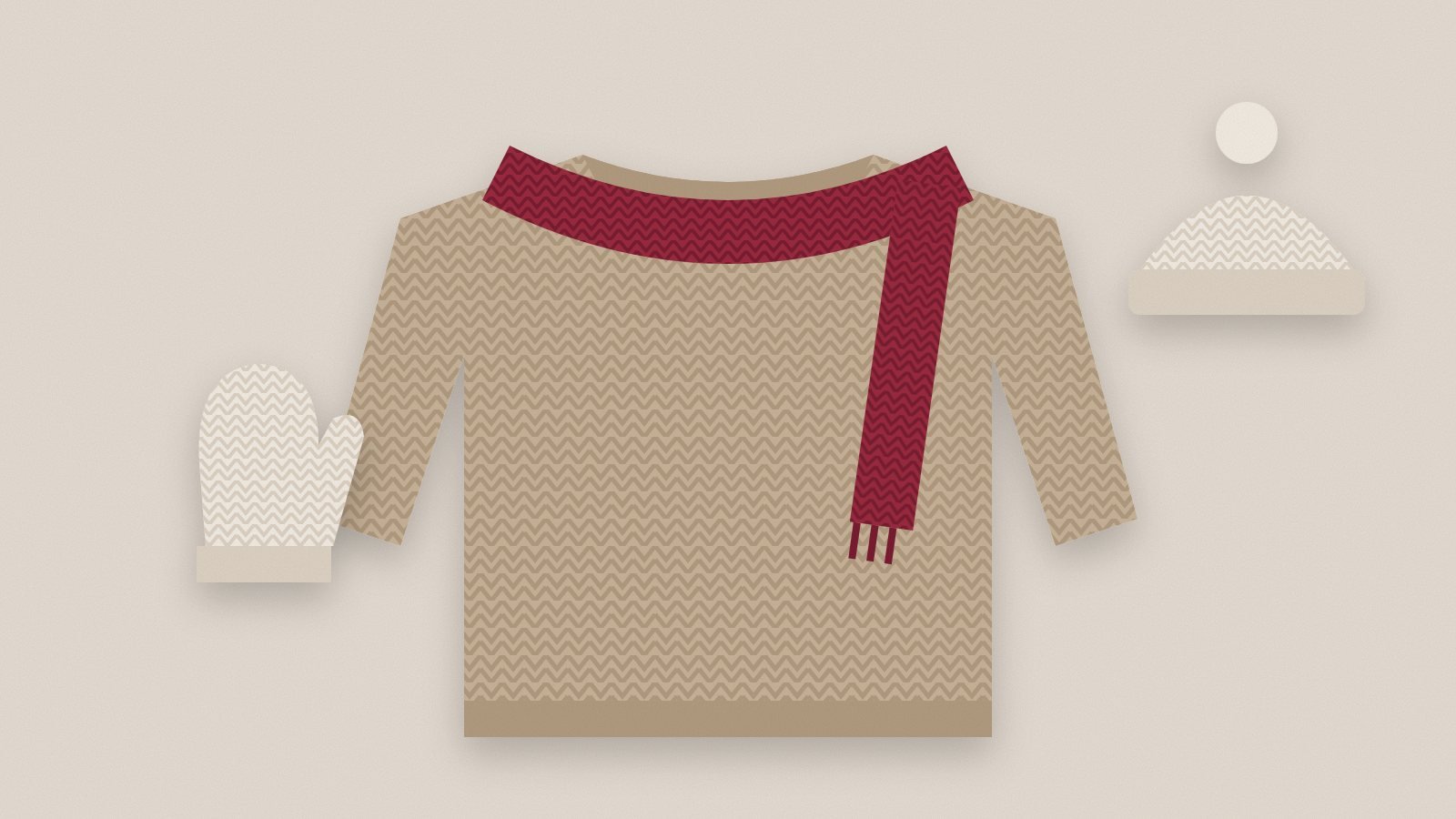
Staying warm in winter is not about wearing the thickest sweater you own. It's about choosing the right materials, the right layers and the right accessories. Whether you're commuting in Chicago, walking the dog in Minnesota or visiting the mountains, this guide covers the best clothes to wear in cold weather — and why they work.
How warm clothing actually works
Clothes don't create heat; your body does. Good cold-weather clothing does three jobs:
- Traps warm air close to your body (insulation).
- Moves sweat away from your skin so you stay dry.
- Blocks wind and water that steal heat quickly.
That's why several thin layers usually beat one bulky one, and why fabric choice matters so much.
The best fabrics for cold weather
| Fabric | Why it works | Best used for |
|---|---|---|
| Merino wool | Warm, breathable, stays warm when damp, resists odor | Base layers, socks, sweaters |
| Cashmere | Very warm for its weight, soft | Sweaters, scarves, hats |
| Down | Exceptional warmth-to-weight ratio | Puffer coats and vests |
| Synthetic insulation | Warm even when wet, easy care | Jackets, gloves, lined pants |
| Fleece | Light, warm, quick-drying, affordable | Mid-layers, linings |
| Polyester / nylon base layers | Wick sweat fast | Active days, sports |
Avoid cotton next to your skin on very cold or active days. Cotton absorbs sweat and holds moisture, which makes you feel colder. Save cotton tees for mild days or as a casual layer over a thermal.
Want to decode labels in the store? Our guide to understanding fabric labels helps.
The three-layer system
Base layer
A close-fitting thermal top and leggings in merino or a synthetic blend. Thin enough to hide under clothes.
Mid layer
Your insulation: a wool sweater, fleece, cardigan or light down vest.
Outer layer
A coat that blocks wind and moisture: a down or synthetic puffer, a parka or a wool coat for milder cold. For more detail, see our complete guide to winter layering.
The 12 best clothes to wear in cold weather
- A long down or insulated parka — the most important piece for freezing days. Choose one with a hood and a length that covers your thighs.
- Merino wool thermals — warmth without bulk.
- A chunky wool or cashmere sweater — classic, cozy, stylish.
- Fleece-lined leggings or lined jeans — a big step up from regular denim.
- A lightweight down vest — warms your core under a coat or over a sweater.
- A turtleneck — protects your neck from drafts and looks polished.
- Wool trousers or corduroys — warmer than cotton chinos.
- Insulated waterproof boots — warm feet make your whole body feel warmer.
- Wool socks — cushioned and moisture-wicking.
- A warm hat — wool or fleece-lined beanies that cover your ears.
- Gloves or mittens — mittens are warmer because your fingers share heat.
- A wool scarf or neck gaiter — blocks wind from your neck and face.
Dress for the type of cold
- Dry cold (e.g., Denver, Minneapolis): prioritize insulation — down, wool and a good hat.
- Damp cold (e.g., Seattle, Boston): waterproof outer layers and synthetic insulation, which stays warm when wet.
- Windy cold (e.g., Chicago, New York): a windproof shell, high collar and scarf. Wind can make it feel much colder than the thermometer says.
- Active cold (hiking, skiing, shoveling snow): wicking base layers and breathable layers you can vent or remove.
Heading to the city? Read our guide on what to wear to NYC in winter.
Stylish cold-weather outfit ideas
Everyday commute
Merino base layer, turtleneck sweater, wool trousers, long wool coat, leather gloves and waterproof Chelsea boots.
Weekend errands
Thermal top, fleece half-zip, lined jeans, puffer jacket, beanie and insulated sneaker boots.
Outdoor winter activity
Synthetic base layers, fleece mid layer, insulated waterproof jacket and pants, mittens, neck gaiter and snow boots.
Dinner out
Knit midi dress with thermal leggings or opaque fleece-lined tights, knee-high boots and a long coat — or a cashmere sweater with corduroy trousers and a wool overcoat.
Small tricks that keep you warmer
- Keep your neck, head, hands and feet covered — they lose heat quickly.
- Don't wear boots too tight; restricted circulation makes feet colder.
- Put on dry socks if your feet get damp.
- Use a belt or a long coat to stop cold air from rising up your back.
- Unzip or remove a layer before you start to sweat.
Frequently asked questions
What is the warmest material to wear?
Down offers the most warmth for its weight, while wool is the best all-rounder because it stays warm even when damp.
Are leggings warm enough for winter?
Standard leggings are not very warm, but fleece-lined or thermal leggings are excellent on cold days.
Is it better to wear one thick layer or several thin ones?
Several thin layers. They trap more warm air and let you adjust as conditions change.
The takeaway
The best clothes for cold weather are made of wool, down, fleece and smart synthetics, worn in thin layers under a wind- and water-resistant coat. Add warm boots, a hat, gloves and a scarf, and you'll stay comfortable — and stylish — all winter.


